Services β€” Industrial Water Diagnostics and Treatment | Kakama Wera
Skip to content
Home / Services
What We Offer

Services and Solutions

Every service is structured to generate measurable results. Technical diagnosis, action plan and implementation support.
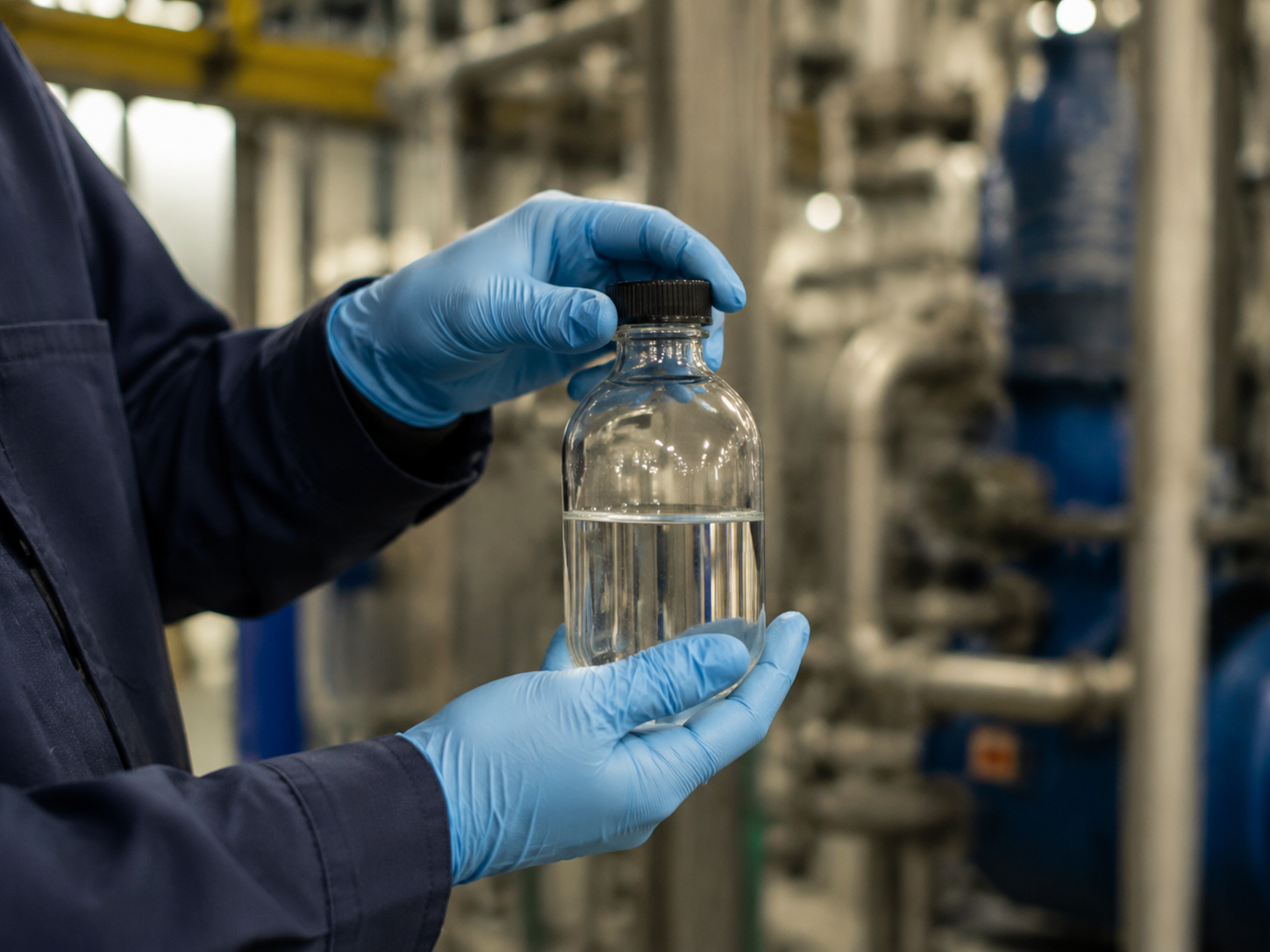
Technician holding a water sample collected for laboratory analysis at an industrial plant
01

Industrial Water System Diagnostics

Potential Problems

  • Scaling and deposits
  • Accelerated corrosion
  • Microbiological growth
  • Excessive chemical consumption
  • Recurring operational failures with no identified cause

Steps

  • Technical site visit and meetings with responsible staff
  • Water sample collection at strategic points
  • Complete laboratory analysis (physicochemical and microbiological)
  • Visual and operational inspection of equipment
  • Review of failure history, reports and previous treatments
  • Root-cause identification and technical report preparation

Deliverables

  • Technical report
  • Annotated laboratory analysis report
  • Action plan prioritized by criticality and cost-benefit

Benefits

  • Reduced operating costs
  • Risk identification before unplanned shutdowns
  • Solid technical basis for decision-making
  • Compliance with regulatory standards
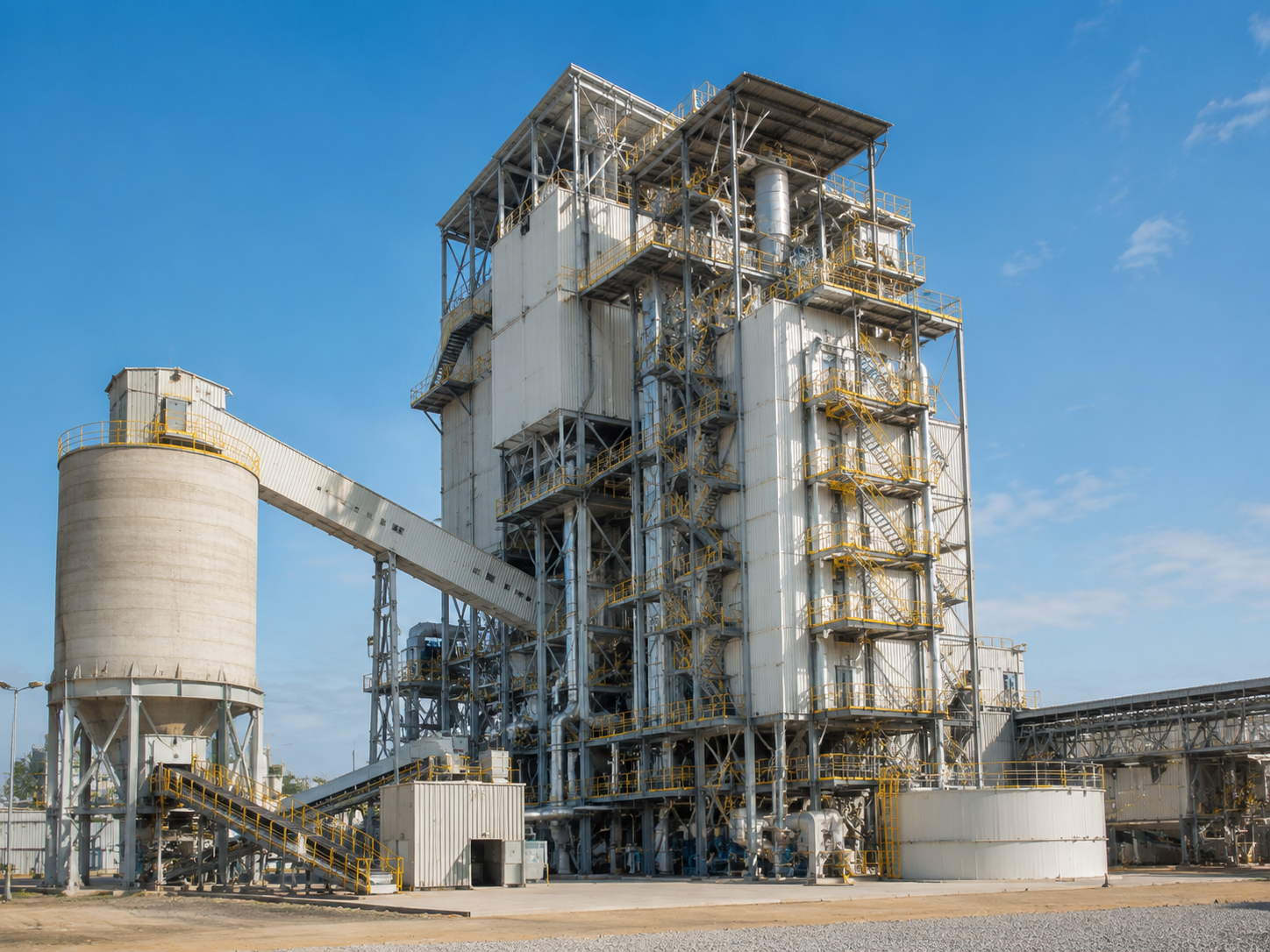
Large industrial water-tube boiler, exterior view of the structure at a well-maintained plant
02

Water Treatment Optimization for Steam Generation Systems

Potential Problems

  • Scaling on heat-exchange surfaces reducing efficiency
  • Corrosion
  • Off-spec steam quality affecting the process
  • Excessive chemical consumption and frequent blowdowns
  • Risk of catastrophic failures due to inadequate treatment

Steps

  • Technical site visit and meetings with responsible staff
  • Assessment of feedwater quality (make-up and condensate return)
  • Review of the current chemical treatment program
  • Review of operational parameters (TDS, pH, alkalinity, dissolved oxygen)
  • Specification of the optimized treatment program
  • Operational team training and definition of monitoring routines

Deliverables

  • Specified chemical treatment program
  • Operational control and monitoring spreadsheet
  • Operator procedure manual
  • Technical report

Benefits

  • Measurable fuel consumption reduction from recovered thermal efficiency
  • Longer boiler service life
  • Stable steam quality for the production process
  • Compliance with applicable standards
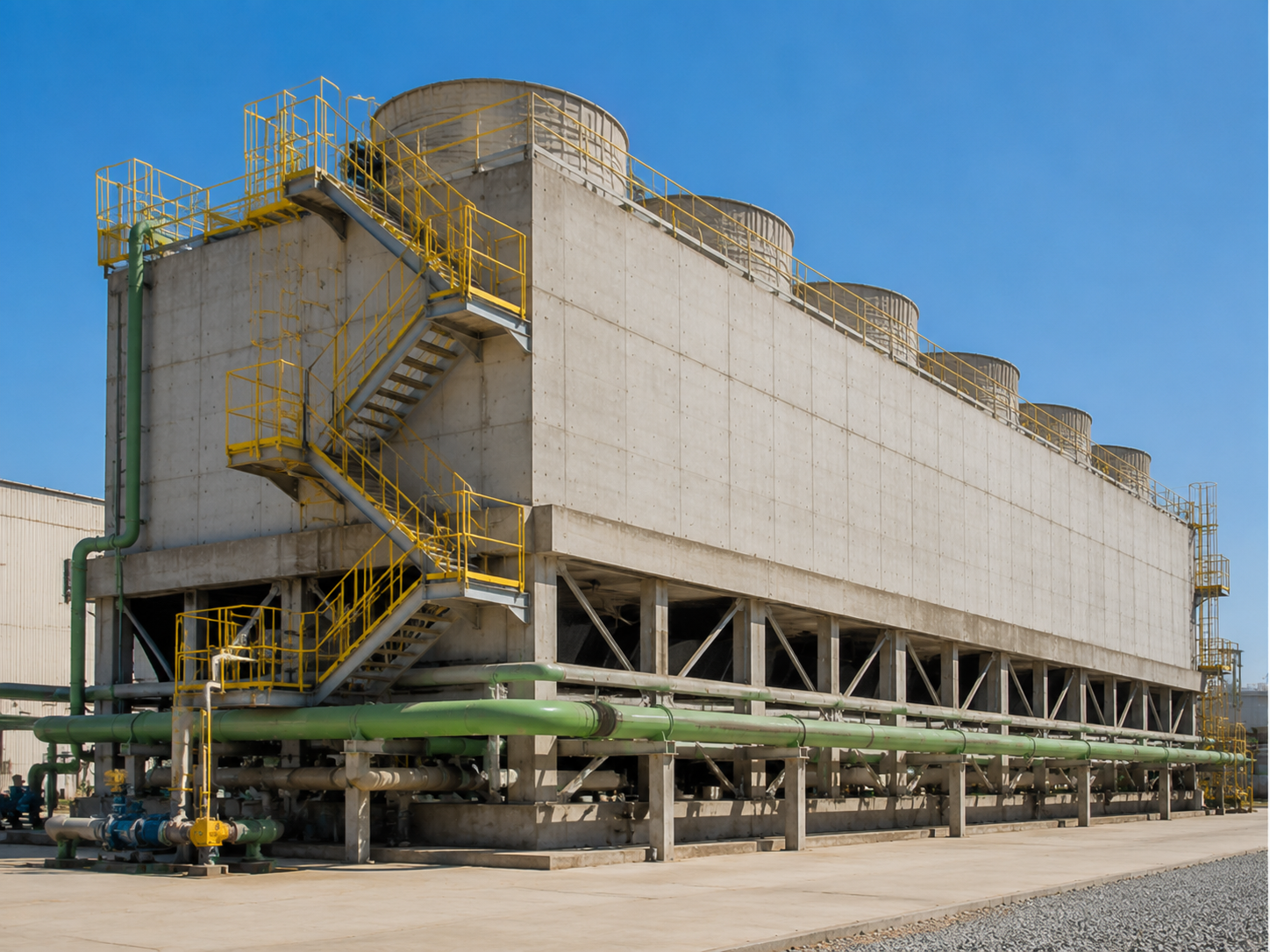
Mechanical-draft industrial cooling tower in structural concrete, well-maintained plant
03

Cooling System Management

Potential Problems

  • Scaling and deposition
  • Corrosion
  • Microbiological growth
  • Excessive water consumption from poorly adjusted cycles of concentration

Steps

  • Technical site visit and meetings with responsible staff
  • Technical assessment of the system: tower, exchangers, piping and instrumentation
  • Microbiological and physicochemical analysis of circulating water
  • Review of cycle-of-concentration and blowdown parameters
  • Specification of a treatment program (anti-corrosion, anti-scaling, biocide)

Deliverables

  • Technical specification of the treatment program (parameters and selection criteria)
  • Operational control and monitoring spreadsheet
  • Technical report

Benefits

  • Recovered thermal efficiency of heat exchangers
  • Reduced make-up water consumption through optimized cycles of concentration
  • Greater operational predictability and fewer shutdowns from cooling system failures
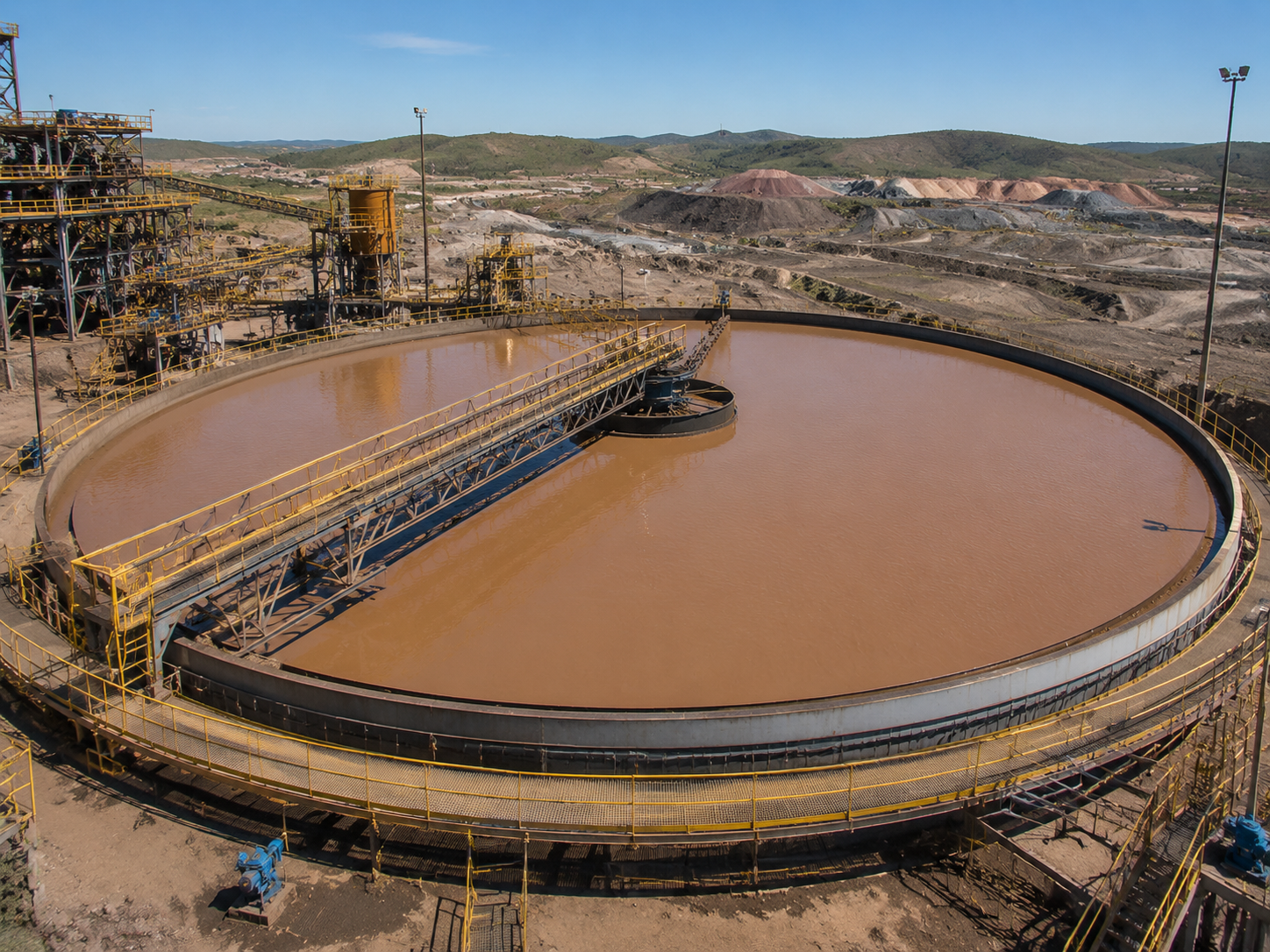
Large circular thickener at a mineral processing plant, with ore slurry water and central rake arm.
04

Mining Water Management

Potential Problems

  • High water consumption and water imbalance
  • Process water contamination by chemical reagents, dissolved metals and fine solids
  • Scaling from carbonates, sulfates and silicates
  • Accelerated corrosion of pumps, piping and flotation cells
  • Biofouling and bacterial growth
  • Increased reagent consumption (up to 30–50% more to compensate for contaminated water)
  • Regulatory restrictions

Steps

  • Technical site visit and meetings with responsible staff
  • Technical assessment of the system: WTP, thickeners, flotation cells and others
  • Microbiological and physicochemical water analysis
  • Review of operational parameters
  • Treatment program specification

Deliverables

  • Technical specification of the treatment program (parameters and selection criteria)
  • Operational control and monitoring spreadsheet
  • Technical report

Benefits

  • Reduced water consumption
  • Significant improvement in process efficiency
  • Operating and capital savings
  • Long-term sustainability and climate resilience
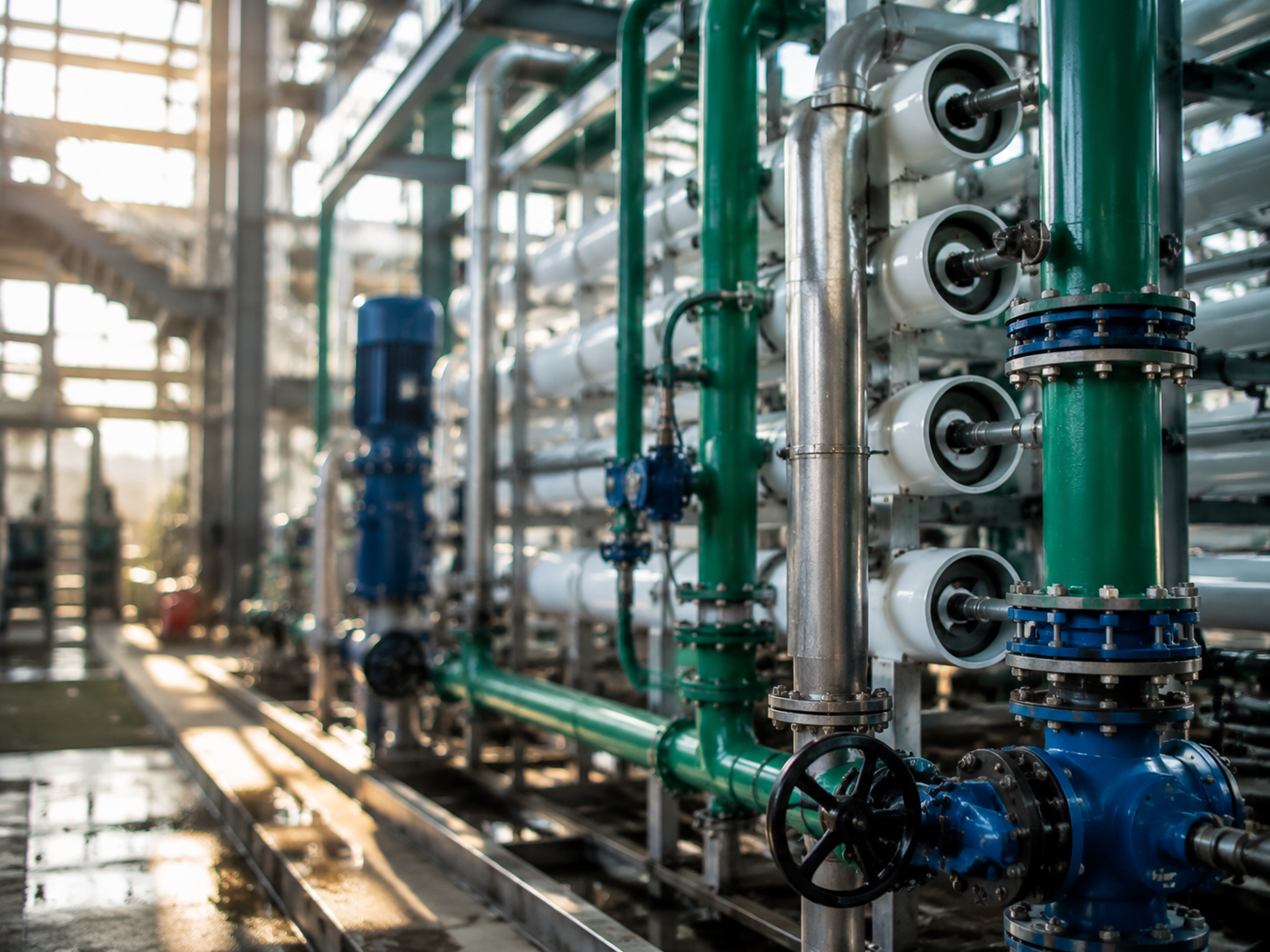
Reverse osmosis membrane system at an industrial water treatment plant
05

Water Sustainability Advisory

Potential Problems

  • Excessive water consumption relative to corporate sustainability goals
  • Restrictions on water withdrawal or environmental permits
  • Industrial effluents outside discharge standards
  • Regulatory and reputational pressure from intensive use of water resources

Steps

  • Technical site visit and meetings with responsible staff
  • Mapping of the plant's water balance (inputs, uses, losses and outputs)
  • Identification of reuse and internal recycling opportunities
  • Compliance analysis against applicable environmental legislation
  • Definition of water performance targets and indicators
  • Technical support for permitting and licensing processes

Deliverables

  • Water sustainability diagnosis
  • Water reuse and efficiency plan
  • KPI indicators for water management
  • Technical report

Benefits

  • Measurable reduction in water consumption
  • Compliance with environmental permit conditions
  • Support for ESG goals and sustainability reports
  • Reduced costs on water and effluent tariffs
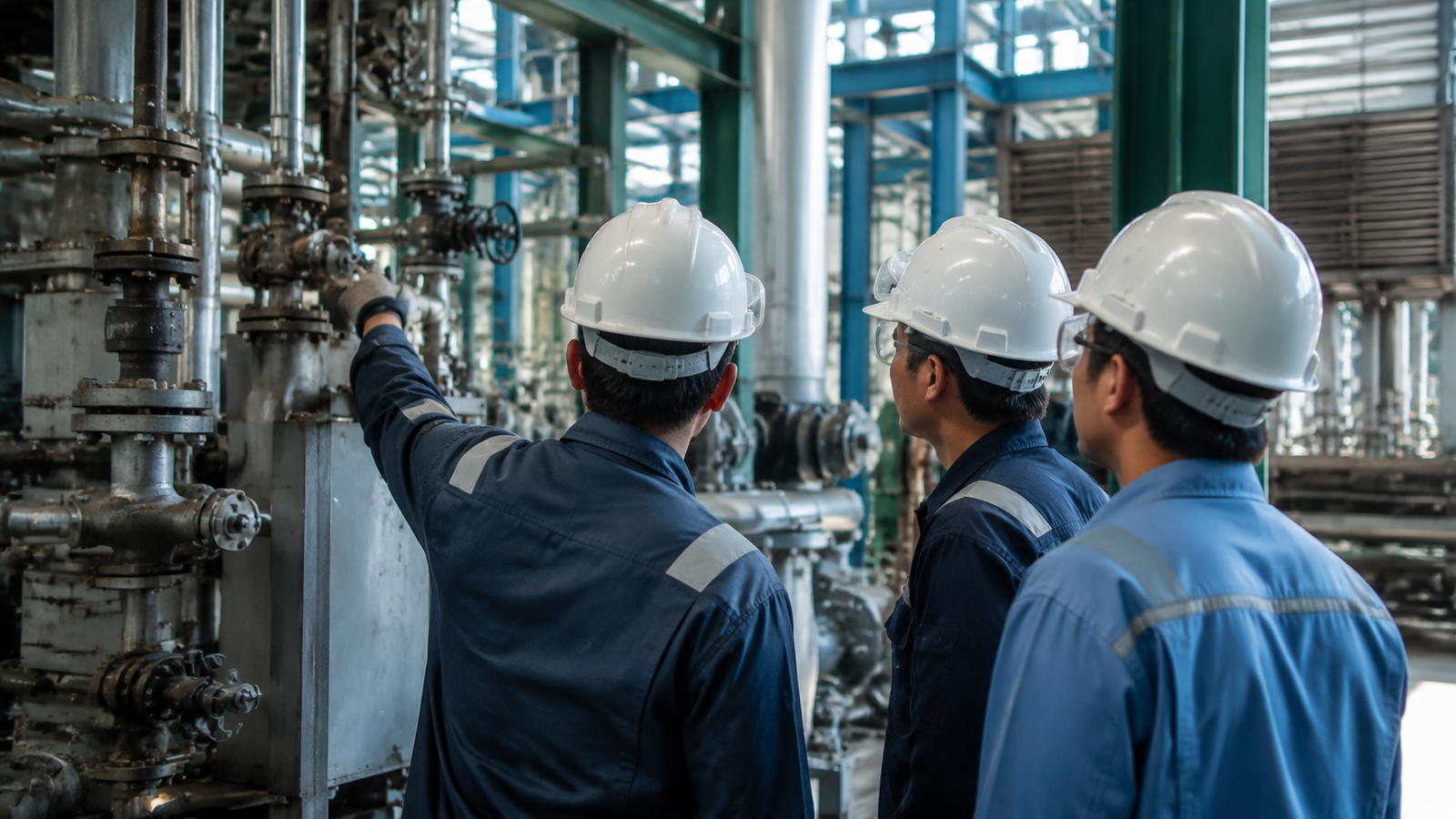
Team of operators in technical training observing industrial equipment
06

Technical Training and Team Capacity Building

Potential Problems

  • Operational teams lacking technical knowledge of the water system
  • Operational errors causing failures
  • Dependence on external suppliers for routine adjustments
  • Difficulty interpreting reports and making technical decisions day-to-day

Steps

  • Meetings with responsible staff
  • Diagnosis of the team's knowledge gaps
  • Development of content customized for the plant's system
  • In-company training (on-site or remote)
  • Preparation of teaching materials and operating procedures
  • Learning assessment and certification of participants

Deliverables

  • Customized teaching materials (handout and presentation)
  • Certificates of participation
  • Photo and attendance records

Benefits

  • Day-to-day operational autonomy for the team
  • Fewer operational errors and failures
  • Less dependence on outside consulting for routine matters
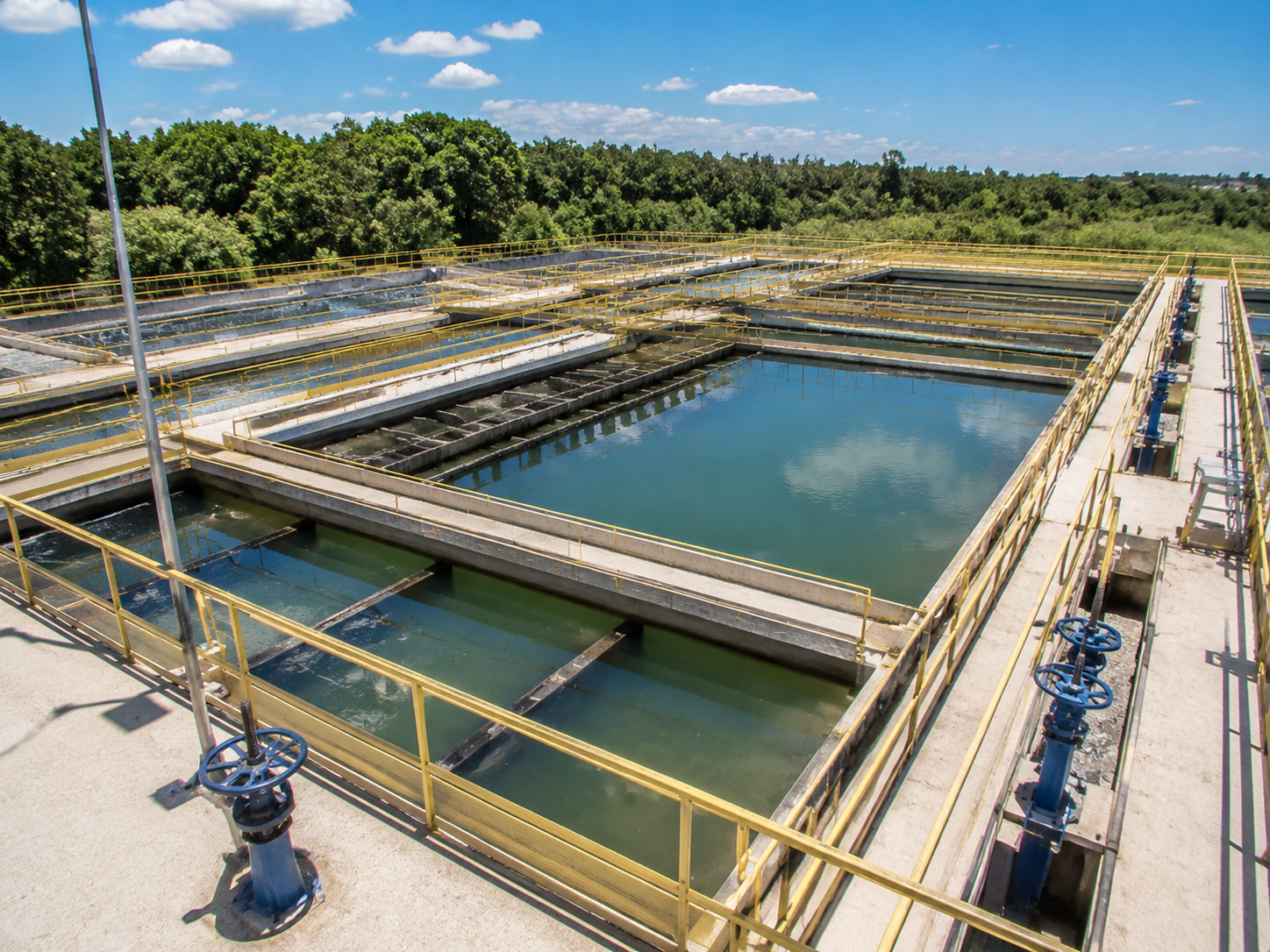
Aerial view of settling and flocculation tanks at an industrial water treatment plant
07

Water Treatment Plant (WTP) Optimization

Potential Problems

  • Treated water off-spec for industrial use (turbidity, color, hardness, silica)
  • Inadequate dosing of coagulants and flocculants, wasting chemicals
  • Premature filter clogging, increasing backwash frequency
  • Insufficient hydraulic capacity for the plant's current demand
  • Lack of traceability of the plant's operational parameters

Steps

  • Technical site visit and review of the existing process (coagulation, flocculation, settling or flotation, filtration, disinfection)
  • Assessment of raw and treated water against each plant use's requirements
  • Review of chemical dosing and efficiency at each stage
  • Identification of hydraulic and capacity bottlenecks
  • Preparation of an operational optimization plan and, if needed, a process-adequacy plan

Deliverables

  • Technical WTP report
  • Chemical dosing and operation optimization plan
  • Process or equipment adequacy recommendations, where applicable

Benefits

  • Reduced consumption of treatment chemicals
  • Process water consistently within specification
  • Less frequent corrective maintenance due to clogging
  • Ability to meet growing demand without unnecessary investment
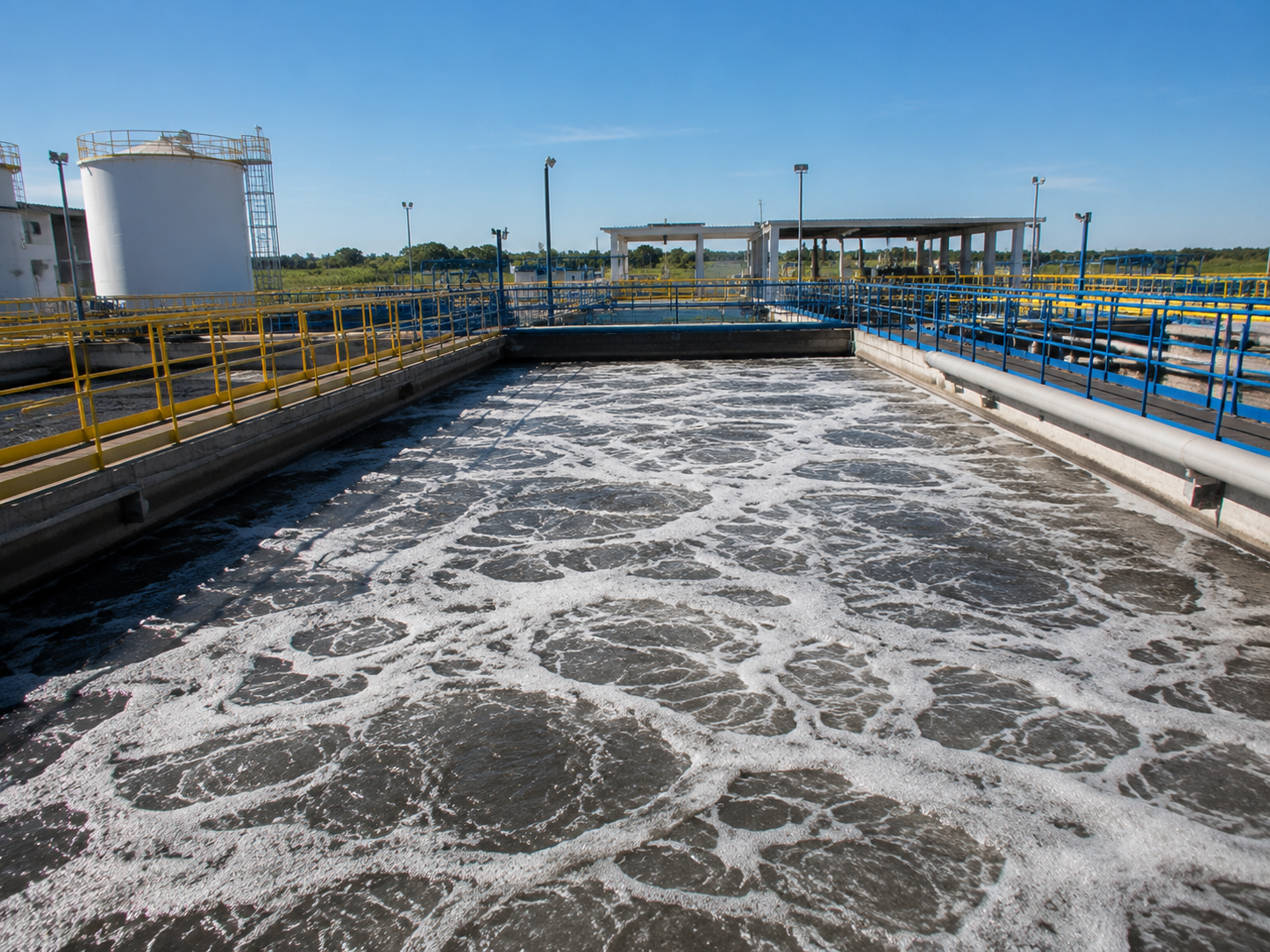
Biological effluent treatment tank with aeration and surface foam
08

Wastewater Treatment Plant (WWTP) Management and Optimization

Potential Problems

  • Final effluent outside the discharge limits required by regulations (CONAMA and state standards)
  • Instability of the biological process (loss of efficiency, bulking, biomass die-off)
  • Excessive sludge generation, with high disposal costs
  • Odor and environmental complaints related to operation
  • Risk of environmental fines and unscheduled shutdowns due to non-compliance

Steps

  • Technical visit and assessment of the existing process (physicochemical, aerobic/anaerobic biological, tertiary treatment)
  • Characterization of raw and treated effluent against applicable legal limits
  • Assessment of the efficiency of each stage and identification of root causes of non-compliance
  • Review of sludge management (generation, dewatering, disposal)
  • Preparation of an action plan for process adequacy and stabilization

Deliverables

  • Technical WWTP report
  • Discharge-limit adequacy plan
  • Sludge management plan
  • Technical support for dealings with the environmental agency, where applicable

Benefits

  • Consistent environmental compliance, with lower risk of fines
  • Reduced sludge disposal costs
  • Greater operational stability of the biological process
  • Support for sustainability and ESG goals (connects with the Water Sustainability service)
How We Work

Work Methodology

5 sequential stages, with clearly defined objectives, deliverables and progress criteria.

1

Initial Diagnosis

Complete survey of the industrial water system: water sample collection and analysis, technical equipment inspection, review of operational history and analysis of previous reports and treatments.

Detailed mapping of the system and critical points.
2

Data Analysis and Root-Cause Identification

Processing and interpretation of the collected data: laboratory analyses compared against normative reference values, correlation between operational parameters and failures, modeling of the plant's water risk.

Technical report with root causes, risk map and prioritization matrix.
3

Strategy and Action Plan Definition

Based on the diagnosis, the appropriate technical solutions are defined for each problem identified. The action plan details corrective and preventive actions, equipment guidance and a schedule.

Structured action plan, schedule and projected benefits.
4

Implementation and Technical Support

Follow-up on execution: operational adjustments, technical specifications for supplier selection, team training and monitoring of first results.

System operating within specified parameters, team trained.
5

Monitoring, Control and Continuous Improvement

Periodic follow-up with control reports, trend analysis and fine-tuning of specifications. Review of targets and updates to the action plan when needed.

Ensures results are sustained over the long term.

Which service makes sense for your plant?

Get in touch for a technical conversation. We serve all of Brazil and Latin America.

Request a Technical Assessment

We use cookies for audience metrics (Google Analytics). You can accept or decline non-essential cookies. See our Privacy Policy.